Faro History: From French Card Game to the American Gambling Room
Faro history traces a card game across French, European and North American settings, clarifying its wagers, table customs and uneven place in gambling rooms.
The common mistake in faro history is to describe one game neatly replacing another. That shortcut obscures how faro moved between French, European and North American settings, and what players actually did at its tables. Faro history is better read as a story of changing rooms and customs, with care about which details are firmly documented.
Faro history follows a game across changing settings
Faro is associated with the older French card game basset, and the name is often connected with the image of a pharaoh on playing cards. Those associations help explain the game’s name and background, but they do not establish a precise account of every stage in its development or spread.
The game was played in Europe and North America, including American gambling rooms during the nineteenth century. That does not mean it arrived everywhere at the same time, or that every room used identical rules. A claim about a particular place or period needs evidence tied to that setting.
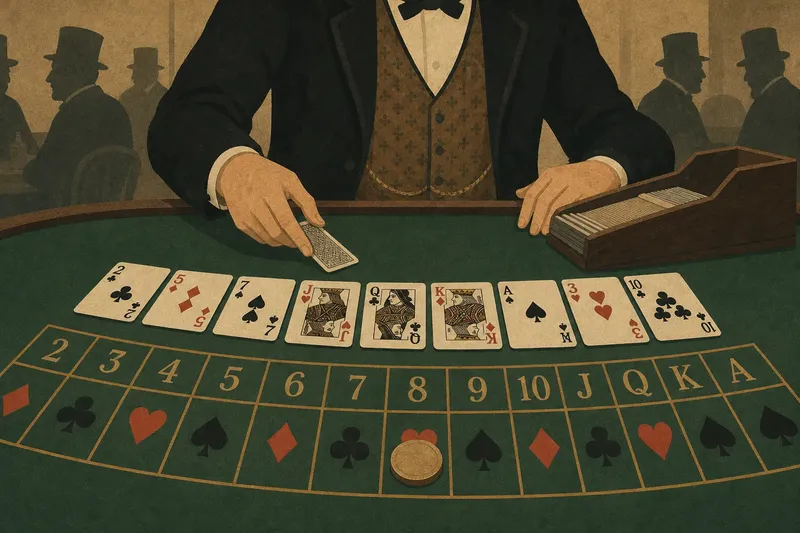
In a typical description of faro, a board showed card ranks and a banker dealt cards from a case. Players placed wagers on ranks; the sequence of cards then determined results under the table’s rules. Local practice mattered, so a general account cannot settle every question about how a particular wager was handled.
The banker’s role made procedure and trust visible
Unlike games where players build hands or make a series of decisions against one another, faro centred on bets placed around a banker-led deal. The result followed the exposed card sequence, while the banker and the room handled the dealing and settlement.
Historical accounts associate faro with concerns about cheating. Such accounts are evidence that writers raised the issue, not proof that every banker or room was dishonest. They also need to be read in context: an accusation about one table cannot establish how common misconduct was across a region or period.
For a reader examining an old description, separate the stated procedure from the writer’s judgement. Note the location and date, identify the specific rule being described, and ask whether a claim about dishonest dealing concerns one incident or makes a broader assertion.
Faro offered a different kind of participation
Comparing table roles can clarify what set faro apart without suggesting that one game simply displaced another.
- Faro: Players backed card ranks and watched a banker deal. If following an exposed sequence sounds appealing, faro offered that role; if you want to make choices throughout a hand, another game may suit that preference.
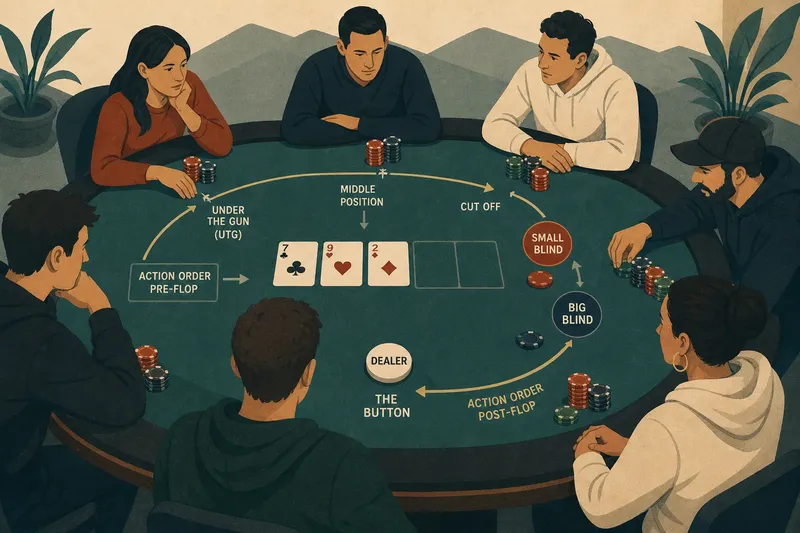
- Poker: Players receive cards and make decisions such as betting, continuing or folding, depending on the variant. If interaction with other players is the draw, poker offers it; if you prefer a banker-led sequence, faro differs.
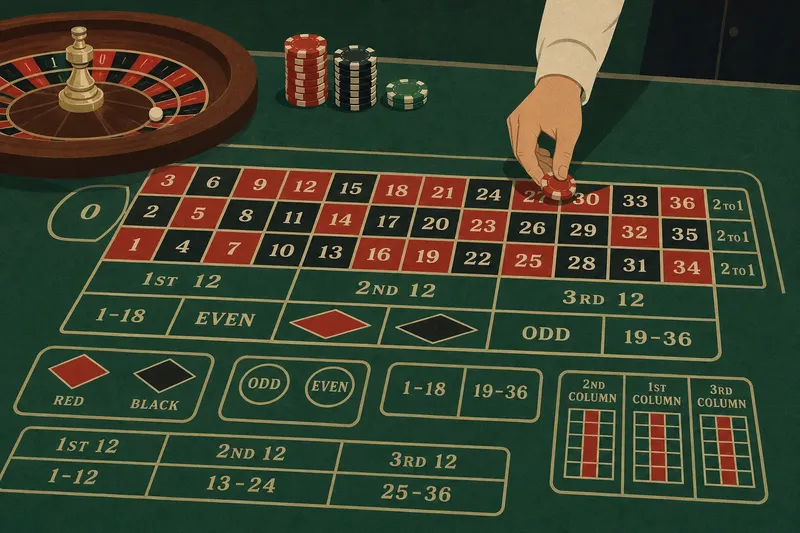
- Roulette: Players wager on outcomes produced by a wheel. If you prefer a shared result around a central device, roulette has that form; if card ranks and a deal are more interesting, faro has a different rhythm.
Say a fictional visitor has one coin and wants to understand the difference in participation. They place the coin on a marked rank at a faro table, then watch the banker’s deal; the posted rule determines whether the wager wins or loses. At a poker table, the visitor instead receives cards and must choose whether to bet or fold. The observable difference is the visitor’s role: following a banker’s sequence at faro, or making decisions during a poker hand. The coin is an invented illustration, not a historical amount.
Compare what the table asks a player to do, not just how it looks.
Why did faro’s place in gambling rooms change?
Was faro difficult to learn?
The basic idea of backing a card rank could be followed by watching the deal. A newcomer still needed to learn the board, local terms and the room’s procedure for settling wagers.
Did cheating alone cause faro to decline?
Historical accusations show that confidence in dealing could be a concern, but they do not establish a single cause for changing play everywhere. Claims about decline need to be connected to a particular place and period.
Did poker and roulette simply replace faro?
They offered different forms of participation, but that does not prove a uniform handover. Gambling rooms changed in varied ways, and a claim of direct replacement needs local evidence.
Can someone still encounter faro?
Faro is now chiefly encountered in historical accounts and specialist demonstrations or recreational settings. Availability depends on the venue and its rules, so historical descriptions should not be taken as evidence that a public table is operating.
Read claims about faro in their local context
Faro history describes movement from an older French game into European and North American gambling settings, not a tidy sequence in which one game vanished as another took over. Its visible card sequence and banker-led dealing shaped the experience; local rules and trust in settlement shaped how that experience worked from room to room.
When weighing a claim about faro, ask which place and period it covers, whether it describes a rule or an observer’s judgement, and what evidence supports any account of change. That habit keeps the history specific without turning one room’s story into a universal verdict.